
Ensuring web accessibility is crucial for making websites usable for everyone, including people with disabilities. Here are some standard accessibility practices and features:
Use Semantic HTML: Properly use HTML tags to convey the structure of the content. This helps screen readers understand and navigate the content more effectively1.
Provide Sufficient Contrast: Ensure there is enough contrast between text and background colors to make the content readable for people with visual impairments1.
Keyboard Accessibility: Make sure all functionality is accessible via keyboard, as some users may not be able to use a mouse1.
Alt Text for Images: Provide descriptive alt text for images so that screen readers can convey the information to users who are visually impaired1.
ARIA Roles: Use Accessible Rich Internet Applications (ARIA) roles to enhance the accessibility of web content and applications2.
Clear Navigation: Provide clear and consistent navigation options to help users easily find their way around the website3.
Form Labels: Ensure that form elements have clearly associated labels to make them accessible for screen readers3.
Feedback Mechanisms: Provide easily identifiable feedback for user actions, such as form submissions3.
Headings and Spacing: Use headings and spacing to group related content, making it easier to read and navigate3.
Responsive Design: Create designs that work well on different viewport sizes to accommodate various devices3.
For more detailed guidelines, you can refer to the Web Content Accessibility Guidelines (WCAG) and the ADA guidelines.
HLS and MPEG-DASH: Industry Standards for Streaming
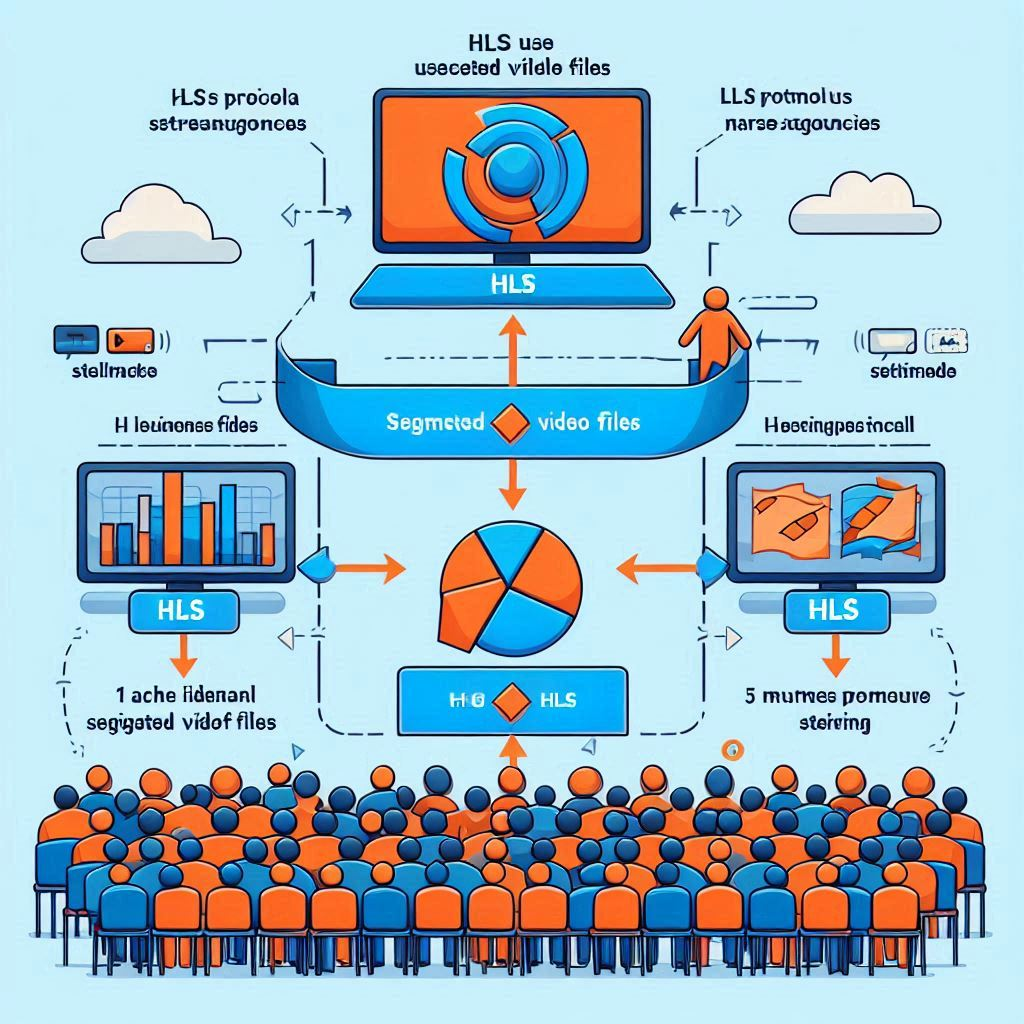
Multimediacart Package supports the industry standard HLS and MPEG-DASH streamigng protocols.
HLS and MPEG-DASH: Industry Standards for Streaming
HLS (HTTP Live Streaming) and MPEG-DASH (Dynamic Adaptive Streaming over HTTP) are two of the most widely used protocols for streaming video and audio over the internet. Both have become industry standards due to their reliability, adaptability, and support for high-quality video.
HLS (HTTP Live Streaming)
Developed by Apple, HLS is a protocol designed to stream media over the internet using standard HTTP servers1.
It breaks the stream into small HTTP-based file downloads, each representing a short chunk of the overall stream2.
Adaptive Bitrate Streaming: HLS adjusts the video quality in real-time based on the viewer’s internet connection speed. This ensures that viewers receive the best possible quality without buffering3.
4K and 8K Support: HLS supports high-resolution video, including 4K and 8K, making it suitable for modern high-definition streaming needs45.
MPEG-DASH (Dynamic Adaptive Streaming over HTTP)
Developed by the Moving Picture Experts Group (MPEG), MPEG-DASH is an international standard for streaming media2.
Similar to HLS, it breaks videos into smaller segments and encodes them at different quality levels3.
Adaptive Bitrate Streaming: MPEG-DASH also adjusts video quality based on network conditions, ensuring smooth playback even with fluctuating internet speeds3.
4K and 8K Support: MPEG-DASH supports ultra-high-definition video, including 4K and 8K, providing viewers with exceptional video quality.
Comparison and Benefits
Compatibility: HLS is widely supported on Apple devices and platforms, while MPEG-DASH has broader industry support, including various streaming platforms and device vendors6.
Infrastructure: Both protocols use standard HTTP servers, making them easy to implement and less likely to be blocked by firewalls13.
Quality and Reliability: Both HLS and MPEG-DASH offer adaptive bitrate streaming, ensuring that viewers receive the best possible quality based on their internet connection3.
In summary, HLS and MPEG-DASH are essential technologies for modern streaming, providing high-quality, adaptive video experiences that cater to a wide range of devices and network conditions

Multimediacart will soon support minting, buying, and selling NFTs. Our NFT product types integrate with the seller and buyer's wallets to connect with the Coinbase Wallet, allowing users to connect their wallets and list their NFTs for sale. This integration uses the coinbase's API to facilitate the connection and transaction processes
Creators can earn sales revenue with art, music, and passion as NFTs on multiple marketplaces.
NFTs provide Cwnership rights to an authentic creative work: a song, video clip, game, or art. NFTs are a low-cost way to get your work out there.
MinTing and Selling NFTs
Minting and selling NFTs (Non-Fungible Tokens) involves several steps. Here’s a simplified guide to help you understand the process:
1. Choose a Platform
First, you’ll need to select an NFT marketplace where you can create and sell your NFTs. Popular platforms include OpenSea, Rarible, and Mintable.
2. Set Up a Digital Wallet
You’ll need a cryptocurrency wallet to store your NFTs and any cryptocurrency you earn from sales. Wallets like MetaMask or Coinbase Wallet are commonly used1.
3. Purchase Cryptocurrency
To pay for transaction fees (often called “gas fees”), you’ll need to buy some cryptocurrency, typically Ethereum (ETH)2.
4. Connect Your Wallet to the Marketplace
Once you have your wallet set up and funded, connect it to your chosen NFT marketplace. This usually involves scanning a QR code or following prompts on the platform1.
5. Create Your NFT
On the marketplace, click the “Create” button to start minting your NFT. You’ll need to upload the digital file (art, music, etc.) and add metadata like title, description, and any other relevant details1.
6. Mint the NFT
Minting is the process of writing your digital item to the blockchain, which establishes its authenticity and ownership. This step usually involves paying a gas fee3.
7. List Your NFT for Sale
After minting, you can list your NFT for sale on the marketplace. You can set a fixed price or opt for an auction format1.
8. Promote Your NFT
To attract buyers, promote your NFT on social media, forums, and other platforms where potential buyers might be interested4.
9. Manage Sales and Royalties
Once your NFT is sold, the transaction is recorded on the blockchain, and you receive the payment in your connected wallet. You can also set up royalties to earn a percentage of future sales1.
Minting and selling NFTs can be a rewarding experience, especially for artists and creators looking to monetize their work. Multimediacart's NFT services will include everything necessary to mint and sell NFT images, video, etc.

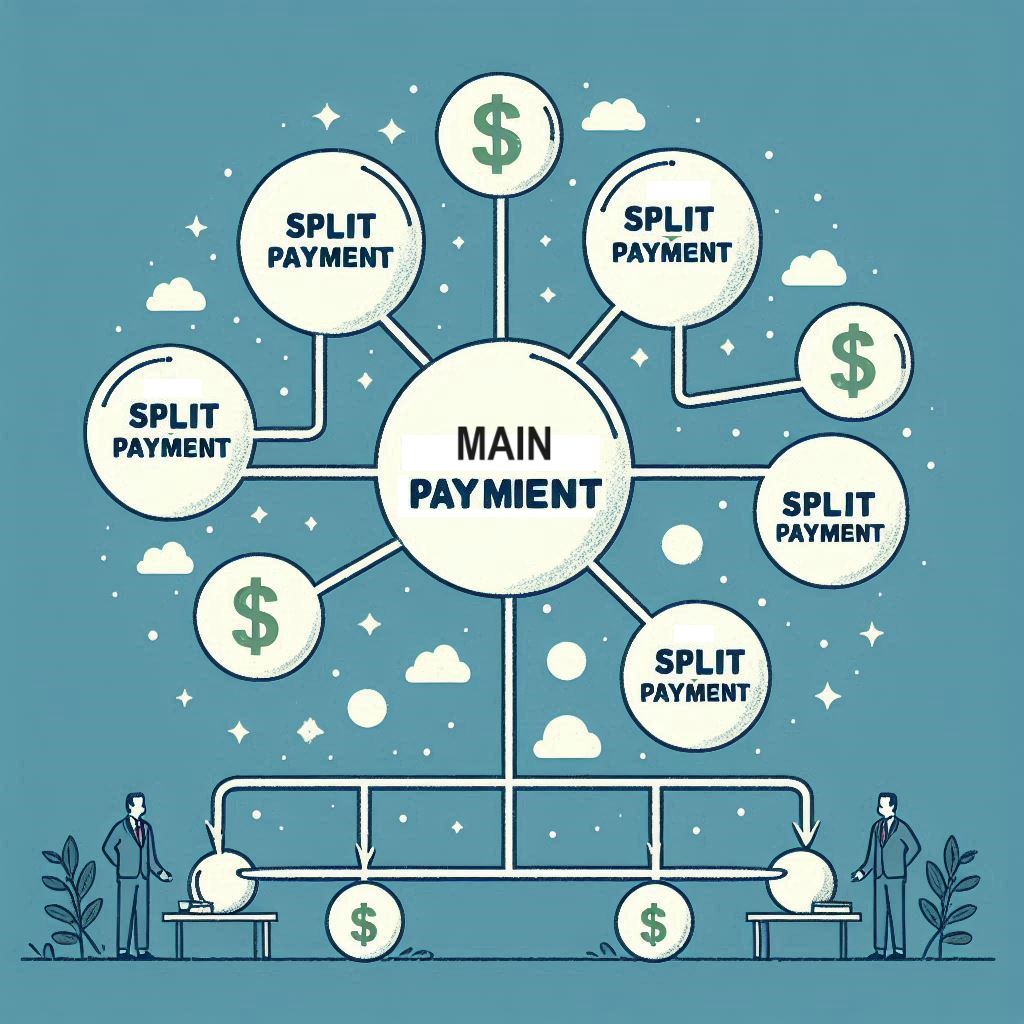
Multimediacart fully supports all the features and capabilities of Paypal's Free Subscription Account for business. Split payments permit multi-party payouts and AES permits publishers to implement unique payoouts for every product.
Benefits of Split Payments to eCommerce
Paypal calls the process "Adaptive Payments" or "Split payments" and they are also called "multi-party payout payments". These types of payment distributions allow for instantaneous payment to more than one party.
Parallel and chained payment arrangements offer several benefits for various participants in the supply chain, including business partners, royalty partners, fulfillment parties, and shippers. Let’s explore these benefits in detail:
Benefits of Parallel and Chained Payment Arrangements
Business Partnerships:
Transparency and Trust: Parallel payments allow each partner to see the exact amount they are receiving, fostering transparency and trust in the partnership
Simplified Transactions: Chained payments enable a primary receiver to distribute funds to secondary receivers, simplifying the transaction process and reducing administrative overhead.
Royalties:
Efficient Distribution: For creators and rights holders, parallel payments ensure that royalties are distributed efficiently and accurately to multiple parties, such as songwriters, composers, and publishers
Automated Payments: Chained payments automate the distribution of royalties, ensuring timely and accurate payments without manual intervention
Fulfillment Parties:
Streamlined Operations: Parallel payments can streamline operations by allowing payments to be made directly to multiple fulfillment parties, such as warehouses and logistics providers, reducing delays and improving efficiency.
Centralized Control: Chained payments provide centralized control over the distribution of funds, ensuring that all parties involved in fulfillment are paid promptly and accurately.
Shippers:
Reduced Complexity: Parallel payments reduce the complexity of managing payments to multiple shippers, ensuring that each party receives their share without the need for multiple transactions1.
Enhanced Cash Flow: Chained payments can enhance cash flow for shippers by ensuring that payments are made promptly and accurately, reducing the risk of payment delays.
Supply Chain Participants:
Improved Cash Flow Management: Both parallel and chained payments improve cash flow management by ensuring that payments are distributed promptly to all participants in the supply chain.
Reduced Administrative Burden: These payment arrangements reduce the administrative burden of managing multiple payments, allowing businesses to focus on core operations.
Verifying Trustworthiness of Payment Systems.
To ensure that parallel and chained payment systems are trustworthy, participants can take the following steps:
Choose Reputable Payment Processors: Select well-known and reputable payment processors like PayPal, which have established trust and security measures in place.
Review API Documentation: Thoroughly review the API documentation provided by the payment processor to understand how payments are handled and ensure they meet security standards.
Check Online Reputation: Usrs can setup test products, with split payments, to determine if they are receiving proper credit. services like Scamvoid to check the online reputation of the payment processor and ensure it is trusted by other users.
By leveraging parallel and chained payment arrangements, businesses can enhance efficiency, transparency, and trust across various aspects of the supply chain.
Mediagration e-commerce products support split (or multi-party payout) payments from top payment processors (including Paypal and Stripe), including parallel and chained payments. Every products sales income can be divided with up to 100 parties; and our software insures a that the total payout never exceeds 100%.